Sagyta: A Handwritten Script Font for Creative Projects
There I was, staring at a blank brand board, trying to figure out how to bring a new café concept to life. The client wanted something warm, approachable, and a little bit quirky—like the kind of place where you’d expect to find a hand-poured latte and a friendly barista who knew your name. That’s when I pulled out Sagyta, a handwritten script font that felt like it had been written with a pen in a cozy kitchen.
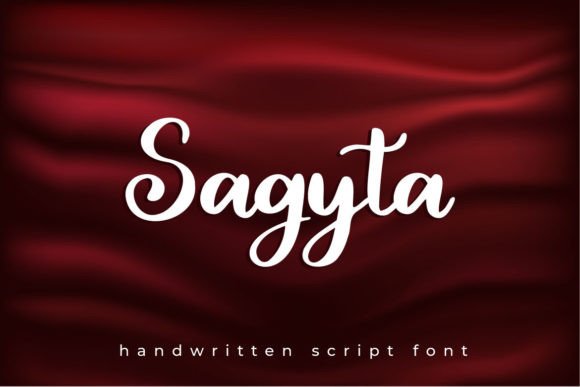
Sagyta has this soft, organic feel that makes it perfect for branding projects that want to feel personal. It’s not too fancy, not too casual—it sits right in the middle, like a well-worn notebook filled with ideas. The strokes are fluid, the curves are gentle, and there’s a subtle variation in the letterforms that gives it character without being overwhelming.
When I first tested Sagyta on a logo draft, I was struck by how it added a sense of authenticity. It wasn’t just a font; it felt like a part of the story. I paired it with a simple sans serif for the tagline, and the contrast made the whole thing feel balanced. The script gave the brand a human touch, while the sans serif kept things clean and readable.
As I moved into packaging design, Sagyta proved to be versatile. On a label sticker, it brought a handmade quality that worked well with artisanal products. On a shop sign, it felt natural, like it had been written by someone who cared about the details. Even on a homepage hero section, it stood out without shouting, making it ideal for web design where subtlety can be powerful.
One of the things I love about Sagyta is how it works in different sizes and contexts. It’s not meant to be used for long paragraphs, but as a display font or headline, it shines. Whether it’s a social media graphic, a flyer, or a poster, Sagyta adds a touch of personality that can elevate any design.
I found that Sagyta really comes alive when paired with a serif font. The contrast between the fluidity of the script and the structure of the serif creates a dynamic visual rhythm. For example, using it alongside a classic serif like Georgia or Playfair Display can make a brand feel both modern and timeless.
Another thing to consider is the font’s multilingual support. While the primary use case might be for English, having access to alternative characters and ligatures can be helpful when working with international clients or designing for diverse audiences. It’s also good to check the file formats and licensing options, especially if you’re planning to use Sagyta in commercial projects or share it with a team.
When testing Sagyta in a real project, I always start with a few key elements: the logo, the business card, and a product mockup. These are the most visible parts of a brand, and they need to feel cohesive. Sagyta handled all of them well, giving each element a consistent yet unique voice.
One of the challenges with script fonts is maintaining readability, especially at smaller sizes. Sagyta does a good job of balancing style with clarity. It’s not perfect for body text, but as a headline or accent font, it’s reliable. I found that using it sparingly and pairing it with a more structured typeface helped maintain visual hierarchy without sacrificing style.
For a small café project, Sagyta became the backbone of the visual identity. It appeared on everything from the menu to the social media posts, creating a unified look that felt authentic. The client loved how it captured the essence of their brand—something that felt personal and inviting.
If you’re working on a branding project that needs a touch of warmth or a hint of creativity, Sagyta is worth considering. It’s not a one-size-fits-all solution, but for the right project, it can add a lot of value. Whether you’re designing for a boutique, a skincare brand, or a creative studio, Sagyta offers a fresh and approachable option that stands out without being over the top.
As a designer, I always recommend testing a font in multiple contexts before committing to it. Sagyta is no exception. Try it on different surfaces, in different sizes, and with different color schemes. You’ll get a better sense of how it performs and whether it fits the tone of your project.
Ultimately, Sagyta is a great addition to any designer’s toolkit. It’s a script font that feels genuine, a typeface that brings a sense of craft and care to every design. Whether you’re working on a logo, a packaging system, or a digital template, Sagyta can help you create something that feels truly unique.